

Most parents pick a play mat by colour first. Softness comes second. Safety usually gets checked last, if anyone checks it at all.
It's an easy habit to fall into. Play mats look harmless enough. Foam, padding, a print of some elephant or a rocket ship on top. But your baby is going to spend hours down there tummy time, rolling attempts, eventually actual crawling, and at some point they will try to chew a corner of it when you're not looking. So before it goes anywhere near the nursery floor, here's what's actually worth checking.
What the mat is made of
Walk into almost any baby store and you'll notice it half the mats on the shelf carry a faint plastic smell straight out of the packaging. That's not just an unpleasant smell. It usually means the foam is off-gassing, releasing chemical residue into the air your baby is breathing right next to.
Better mats skip this problem entirely. Look for foam labelled non-toxic, BPA-free, phthalate-free, and lead-free. This isn't a checklist for the sake of having one it genuinely changes what happens when a baby who mouths everything ends up mouthing the mat too.
If none of this shows up on the product page, ask before you buy. A good seller will have the answer ready.
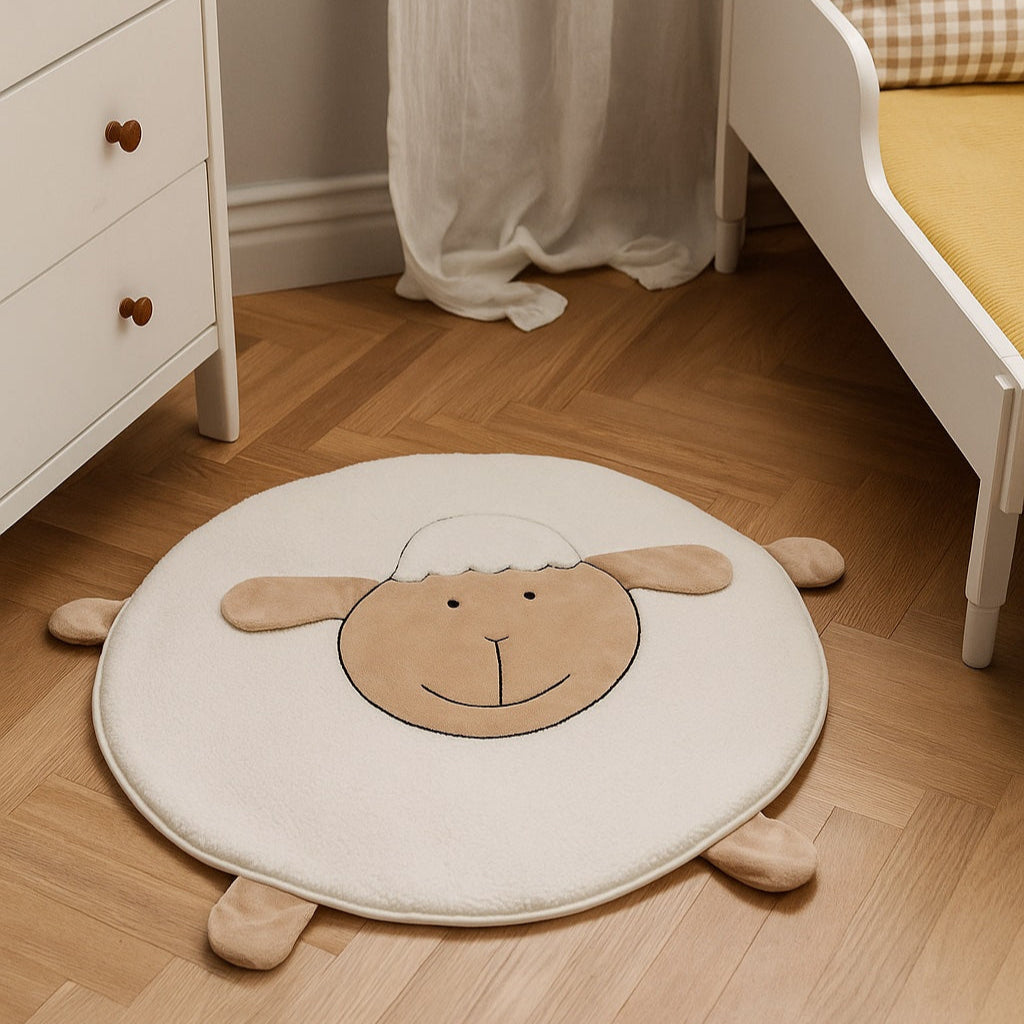
Our Snuggle Lamb Baby Play Mat uses foam that's tested against exactly this it's soft enough for tummy time and doesn't carry that new-mat chemical smell most parents complain about.
Don't take certifications on faith
Anyone can print the word "safe" on a box. That doesn't mean much on its own.
Certification means someone independent actually tested the product. Check for CPSIA compliance if you're comparing against international standards, and see if the listing mentions any lab testing at all. Indian sellers skip this detail more often than they should, so if it's missing, just ask directly.
A brand that's done its homework tends to mention it without being asked twice.
Press the mat down and watch what it does
Thickness isn't really about how plush a mat feels under your hand in the shop. It's about what happens when your baby tips over.
A thin mat won't absorb much when a baby loses balance mid-crawl or plants their forehead into it a little too enthusiastically during tummy time. Press down with your palm. A properly cushioned mat springs back within a second or two. A cheap one stays flattened, and that's a sign the padding underneath is doing very little.
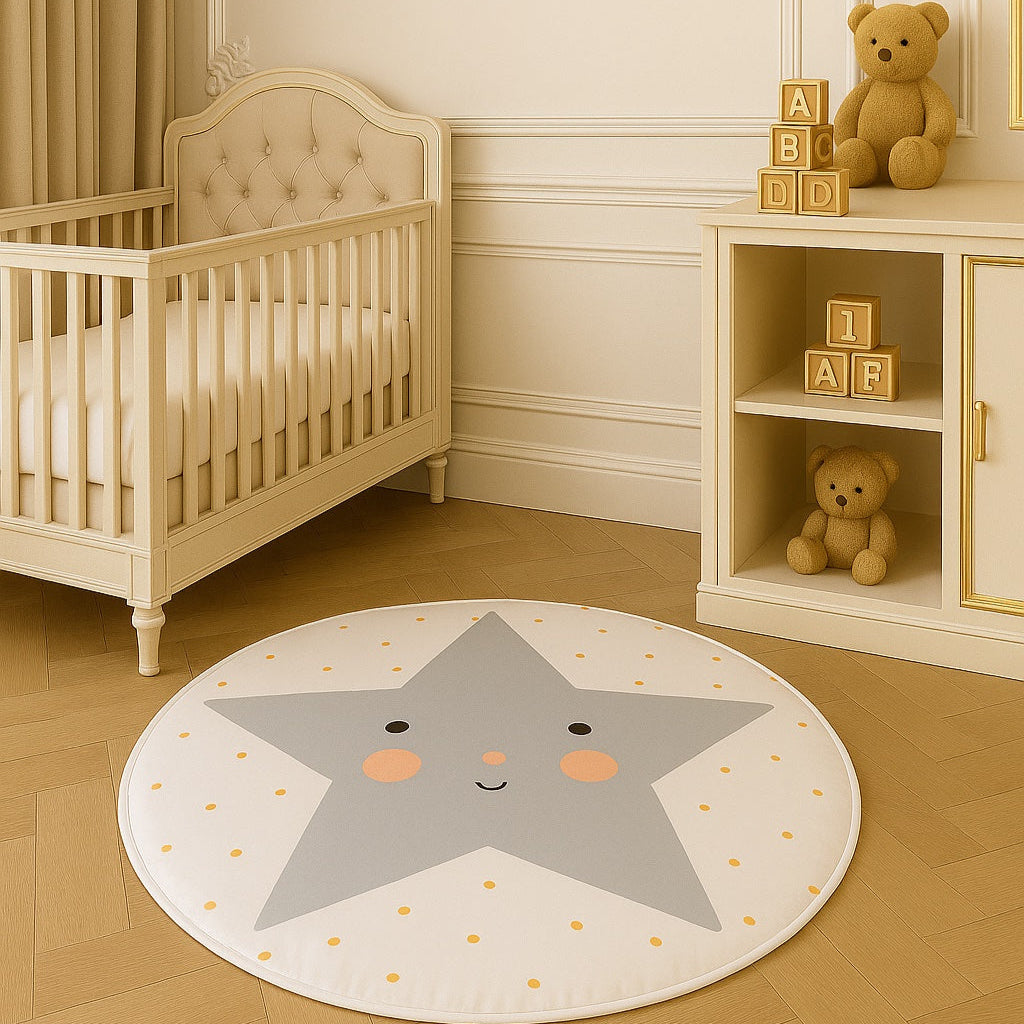
The Star Round Cotton Baby Play Mat has thicker cushioning than most round mats in this price range, which matters once your baby starts pushing up onto hands and knees.
How it handles the inevitable mess
Babies are messy. There's no getting around it drool, spit-up, food that ends up everywhere except the baby's mouth once weaning starts.
A waterproof or wipe-clean surface means thirty seconds with a damp cloth and you're done. Without one, every spill soaks straight into the foam layer underneath, and that's exactly where bacteria settles in, hidden under a surface that still looks perfectly fine from the top.
For a mat that's going to see daily use, this one detail probably saves more hassle than everything else on this list combined.
Trust the smell test, even after buying
A brand-new mat having a faint smell out of the box isn't unusual. Give it 24 hours out in the open and that usually fades on its own.
What shouldn't happen is a strong chemical smell that's still there after a full day of airing it out. If that's the case, don't wait around hoping it improves. Return it.
Quick side-by-side
| What to check | Safer mat | Riskier mat |
|---|---|---|
| Material | Non-toxic, BPA-free foam | Unlabeled foam, strong plastic smell |
| Certification | CPSIA or lab-tested | No testing mentioned anywhere |
| Thickness | Springs back after pressure | Stays flat under a light press |
| Surface | Wipe-clean, waterproof | Absorbs spills into the foam |
| Smell | Fades within a day | Lingers past 24 hours |
Five checks. None of them take more than a minute. But together they're the difference between a mat that's genuinely doing its job and one that just looks the part in photos.
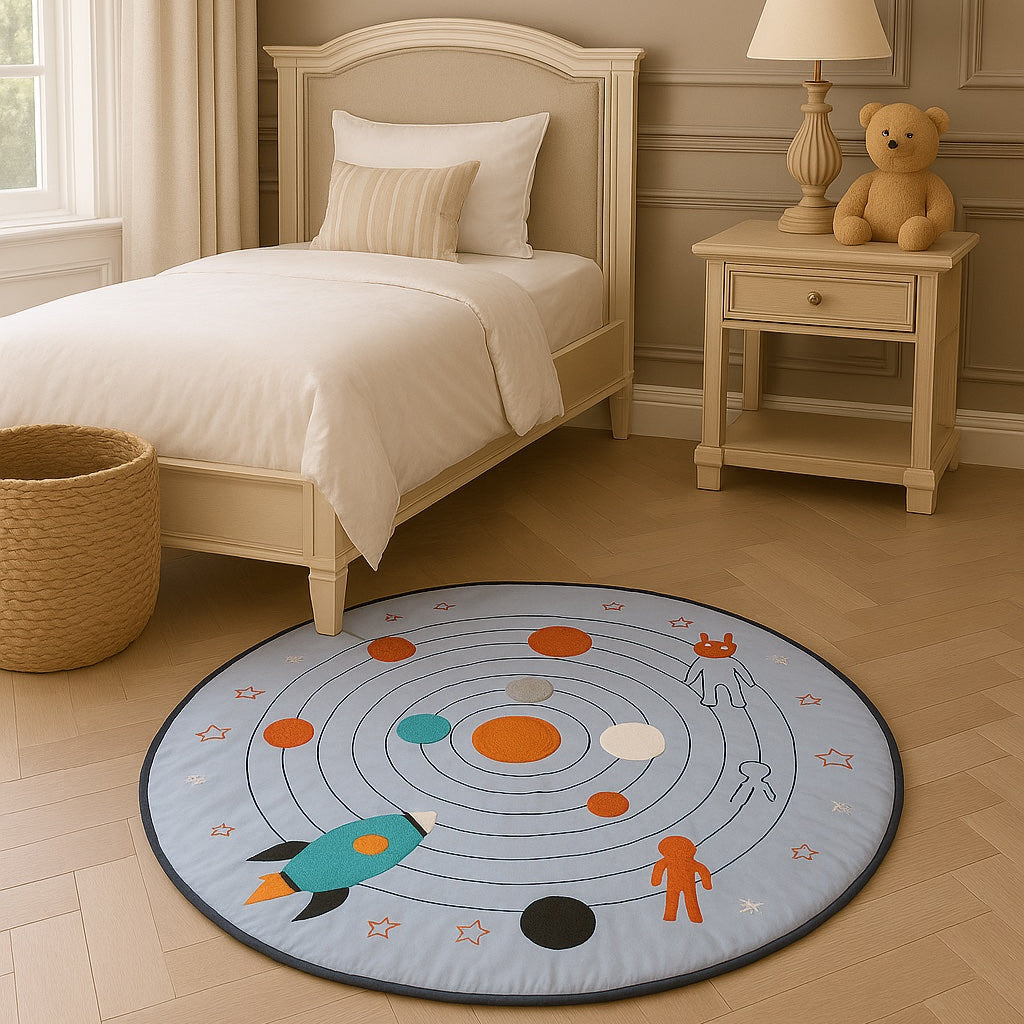
If you're shopping for something that ticks all five, our Play Mats collection is a decent place to start comparing options, including the Bunny Meadow Round Baby Play Mat and the Cosmo Explorer Round Play Mat.
FAQs About Baby Play Mat Safety
1. Are foam play mats safe for babies?
Yes, provided they're labelled non-toxic and BPA-free. Skip anything that doesn't mention the material clearly.
2. How often should a play mat be cleaned?
A quick wipe daily is enough. Add a deeper clean once a week to keep things hygienic.
3. Can a strong smell from a new mat actually harm my baby?
A smell that won't fade usually points to off-gassing. Air it out first, and return it if the smell sticks around.